
Article originally shared on substack by Anne Knock PHD
If you’ve ever been caught in a conversation about “open plan” versus “traditional” classrooms, you know it can feel more like a turf war than a pedagogical discussion. But the truth is—it’s not about walls vs no walls. It’s about designing the right environment for learning today.
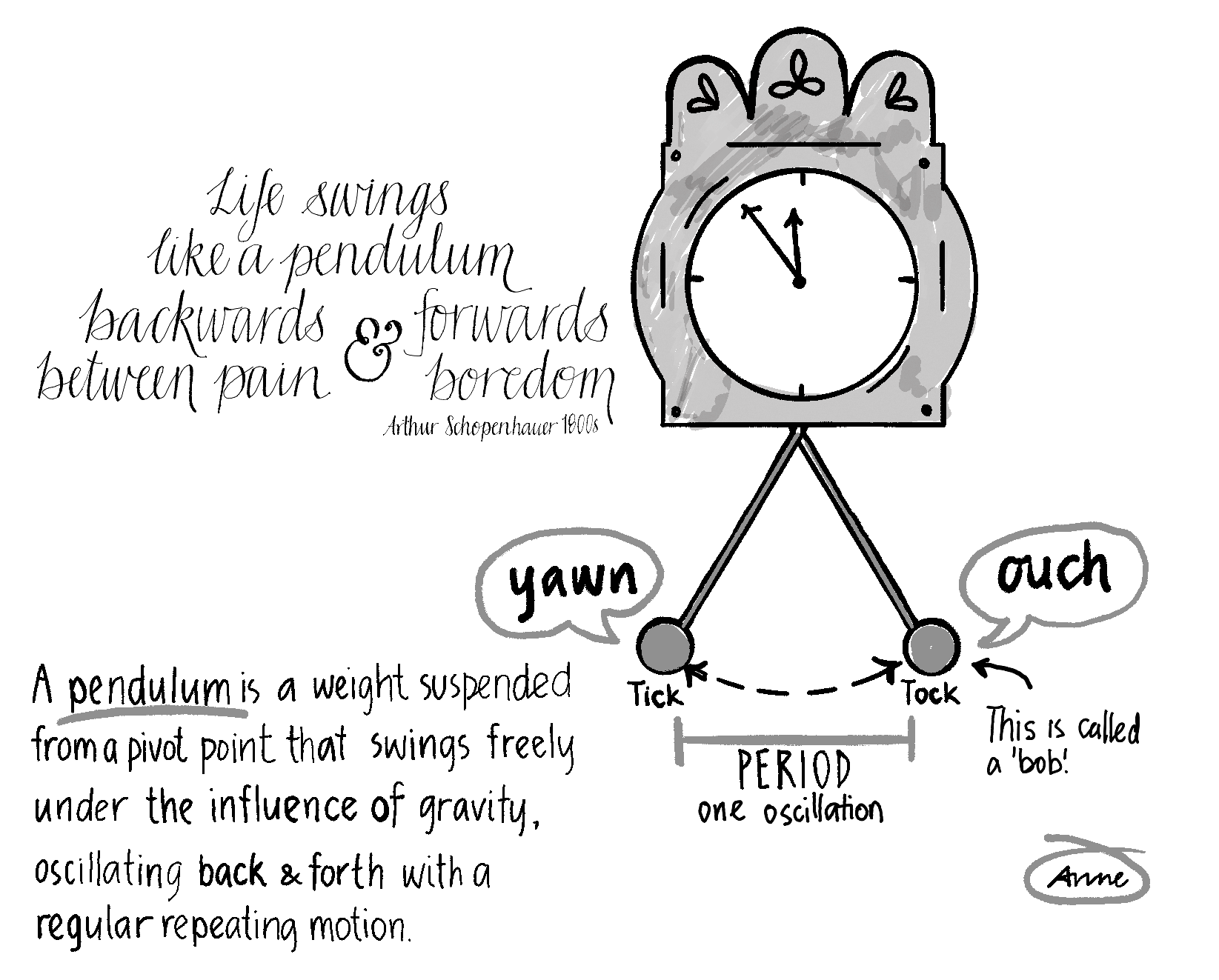
Life swings like a pendulum backward and forward between pain and boredom.
Philosopher Arthur Schopenhauer
This metaphor captures the way schools have responded to change—lurching between radical openness (the pain of change) in one direction and compliance and rigidity in the other (the boredom of sameness).
What Happened to Open Plan Classrooms?
In the 1970s, open classrooms emerged during the wave of social change and educational reform. The ideas were radical for their time: student voice and exploratory learning in large multi-cohort spaces. In 1969 in their book Teaching as a Subversive Activity, Postman and Weingartner captured this spirit,
The *new education must assume that all students can learn to be self-directed, that they can be taught to think clearly, to inquire creatively, and to reason effectively.
(*1969! emphasis mine)
But while the physical environments radically changed, impacts on teaching and learning, and shifts in professional culture required to sustain such a revolution didn’t necessarily follow. Without clear vision, continuous professional support and today’s specialist knowledge (e.g. acoustics) many teachers soon reverted to familiar practices, and the movement faltered. The pendulum swung back—standardised tests, predominantly teacher-led classrooms, and “back to basics” mindsets returned.
Still Swinging?
And today? The pendulum seems to swing faster, the period between oscillations is shorter. This century began with the rallying cry for 21st century skills, acknowledging that impending technological advances will irrevocably change the context of school. This thinking influenced pedagogy, school design and professional culture, to envision a school experience that better prepares students for the future. Yet, while the technological tsunami has not abated, the response at the highest levels of education has been to revert to the past, rather than embrace the future.
As I shared in an earlier post, in a reworking of the Rip Van Winkle story, he returned in 2006 after 100 years of sleep where nothing, at first, was familiar to him, he soon declared, “This is a school. We used to have these back in 1906. Only now the blackboards are green’“. Could this still be said of 2025?
Faced with the pain of complexity, education is increasingly returning to the security, and boredom, of compliance, control and content delivery, evident in front-facing desks, rigid timetables, and standardised curriculum. Not a reflection of our world. The challenges facing today’s learners demand adaptive, thoughtful responses—not reducible, linear fixes.
What about Spatial Design? Beyond the Binary
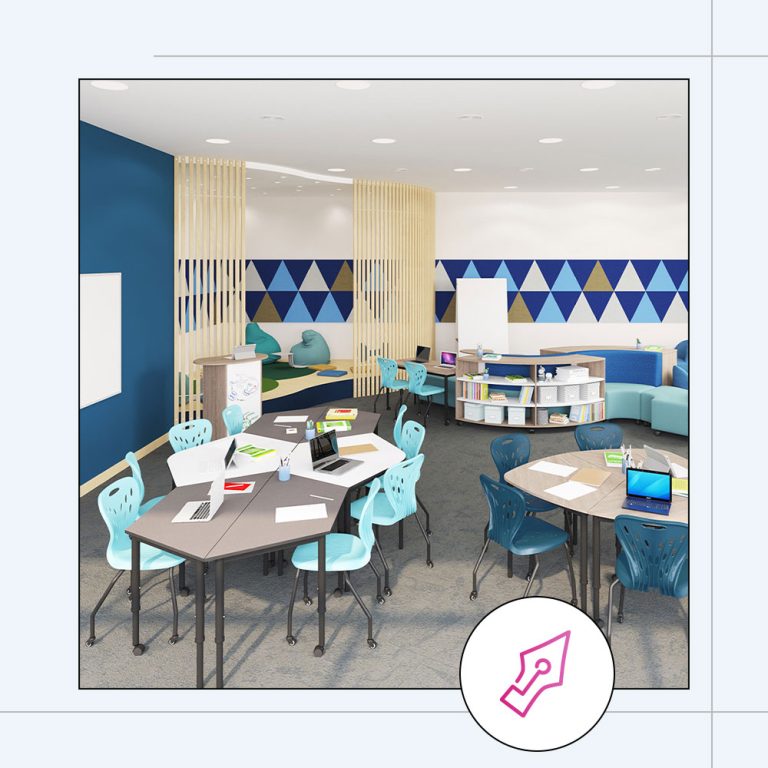
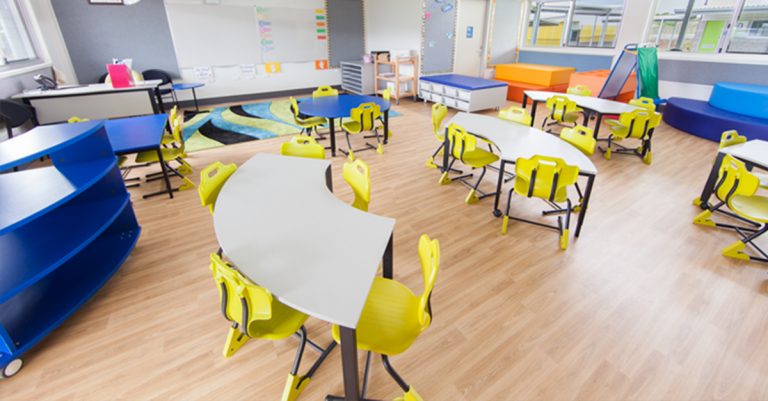
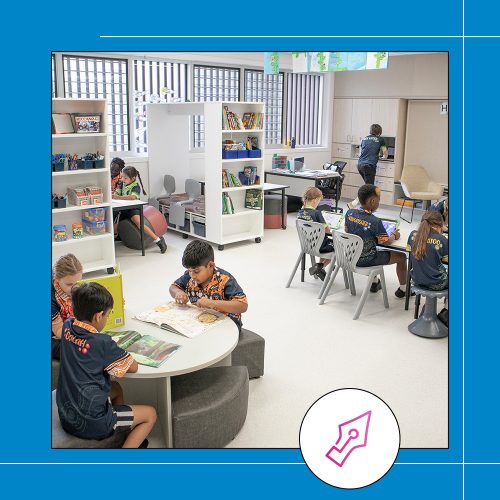
Rather than locking into the open vs. closed debate, let’s consider a continuum of spatial design. Dovey and Fisher’s 2014 typology reframes the conversation with five types, and Types C and D are where it gets interesting. These hybrid spaces, not fully opened nor fully closed, provide both structure and flexibility—enabling a balance between teacher-led, teacher-supported, and student-initiated learning.
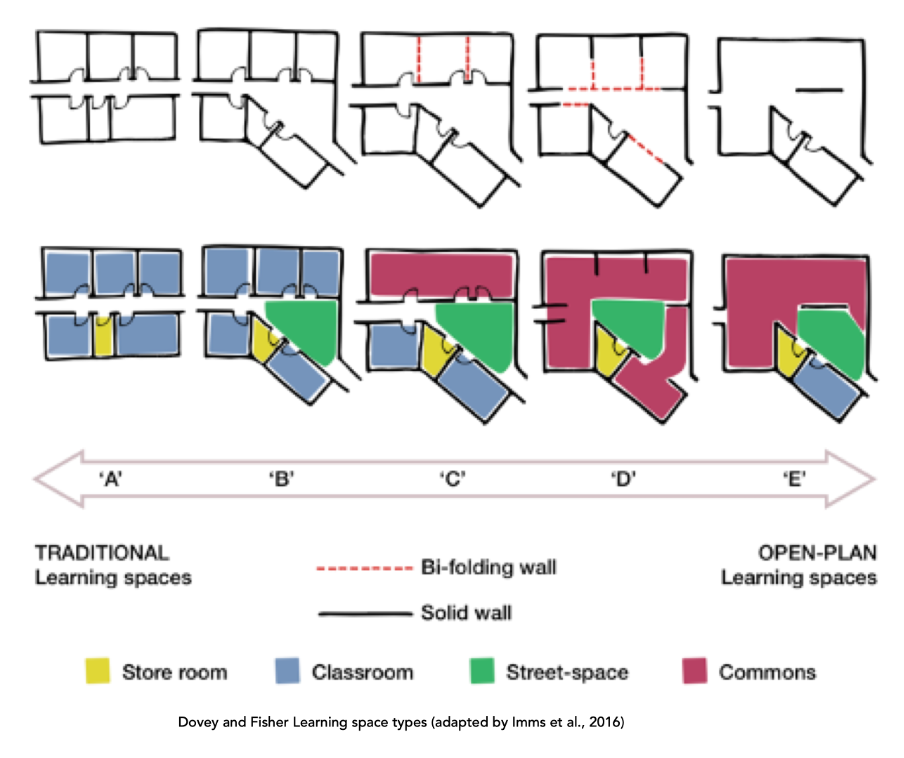
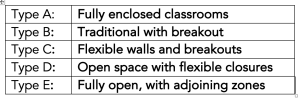
These aren’t one-size-fits-all solutions. They invite thoughtful use of space based on purpose, shifting the question from what kind of space? to what kind of learning?
What is This Really About?
Here’s my observation, when people say “open plan doesn’t work,” they’re often pointing to deeper challenges:
Unclear vision or purpose of the spatial design intentions (inadequate communication and spatial literacy understanding)
Little enthusiasm for co-teaching and the desire for ‘professional privacy’ (“I don’t like teaching in front of others”)
Noise (we know more now – measure and fix)
Distraction (“Kids get distracted by glass”, apparently)
None are insurmountable challenges, but in the process of change there is pain. When spatial design aligns with learning intention and strategic execution, we stop swinging wildly and start building environments that support engagement, agency, and deeper learning.
Yes, change can be uncomfortable, painful even—but boredom is a bigger threat. Our current and future learners deserve more than a factory model from the last century. If we keep defaulting to what feels familiar, we rob them of the environments they need to grow, question, and thrive. The real challenge isn’t whether a classroom is open or closed—but whether it’s fit for purpose. So let’s stop oscillating between extremes and start designing with intention while strategically supporting professional culture transformation. Because when we get it right, space doesn’t just support learning—it ignites it.
P.S. Do we retire the pendulum metaphor?
P.P.S. Or maybe once we reach boredom we need to go back to pain?